Skip to content

Best Headphones For Air Travel

mm Alex Rivera 7 min read
Reviewed by Alex Rivera Updated

At a Glance: Six Takeaways

  • For long-haul flights, over-ear ANC still beats earbuds for comfort and steady isolation.

  • Folding hinges matter more than you think when you're packing tight.

  • Up to battery ratings swing wildly with codecs and extra features—know what you'll actually run.

  • A reliable wired mode is non-negotiable if you use in-flight entertainment.

  • Earbuds win for portability, but you'll pay with more ear fatigue on 8+ hour days.

  • Bone-conduction is a special-case tool, not a replacement for real noise canceling.

Ranked Picks (July 2026)

Six headphones tested gate-to-gate, with cabin noise, announcements, and the occasional seatmate elbow.

Sony's WH-1000XM6 is the most complete one pair for every flight option right now. The big practical win is the return of a folding design, which makes it far easier to stow than the previous generation's non-folding approach. Sony also includes a headphone cable, so you can go wired when Bluetooth isn't allowed or when you want to plug into seatback systems.

Battery is strong and predictable if you keep settings sensible: Sony lists up to 30 hours with noise canceling on using AAC/SBC/LC3, and up to 40 hours with noise canceling off; switch to LDAC and the rated runtime drops to up to 26 hours with noise canceling on. That's the right kind of honesty. The trade-off: if you're hard on hinges, any folding design is a point of stress—pack it carefully and don't one-hand fold it like a toy.

If your number-one priority is arriving less wrecked, Bose still has a comfort advantage for a lot of heads. The QuietComfort Ultra Headphones (2nd Gen) are also travel-friendly in a way many competitors still mess up: they support USB-C audio and can be used while charging. That's gold in airports—one cable, one job.

Bose's official rating is up to 30 hours with noise cancellation on and Immersive Audio off, up to 23 hours with Immersive Audio on, and up to 45 hours with ANC turned off. The downside is straightforward: if you actually use the spatial/immersive modes, you pay in battery. Also, Bose tuning tends to be safe rather than exciting—great for background listening at altitude, less thrilling if you want a vivid, forward sound.

Sennheiser's MOMENTUM 5 Wireless is the endurance champ that finally feels engineered for people who keep gear for years. Sennheiser rates it at up to 57 hours of battery life per charge with ANC engaged, and the company also highlights a user-replaceable 700 mAh battery. That's not a flashy spec; it's a real-world buy once feature.

It's also travel-practical: Sennheiser includes a 3.5mm analog audio cable, so you can do seatback systems without hunting adapters. The main drawback is that Sennheiser's ANC typically doesn't feel quite as aggressively vacuum sealed as the top Sony/Bose implementations in the worst cabin noise. If you're ultra sensitive to low-end rumble, you may still prefer the top two.

AirPods Max remain the most frictionless choice inside Apple's ecosystem—especially if you bounce between iPhone, iPad, and Mac and want the handoff behavior to just work. Apple rates them for up to 20 hours of listening time on one charge with Active Noise Cancellation enabled.

Now the reality check: they're heavy, and their case strategy is still… Apple. For frequent fliers, that weight adds up over a full travel day, and the physical bulk is not carry-on friendly. If you value comfort-per-ounce, you can do better.


Sony WH-1000XM6 headphones in folded carry case
Sony WH-1000XM6 folded for carry-on packing
True Wireless

Best Earbuds for Travel

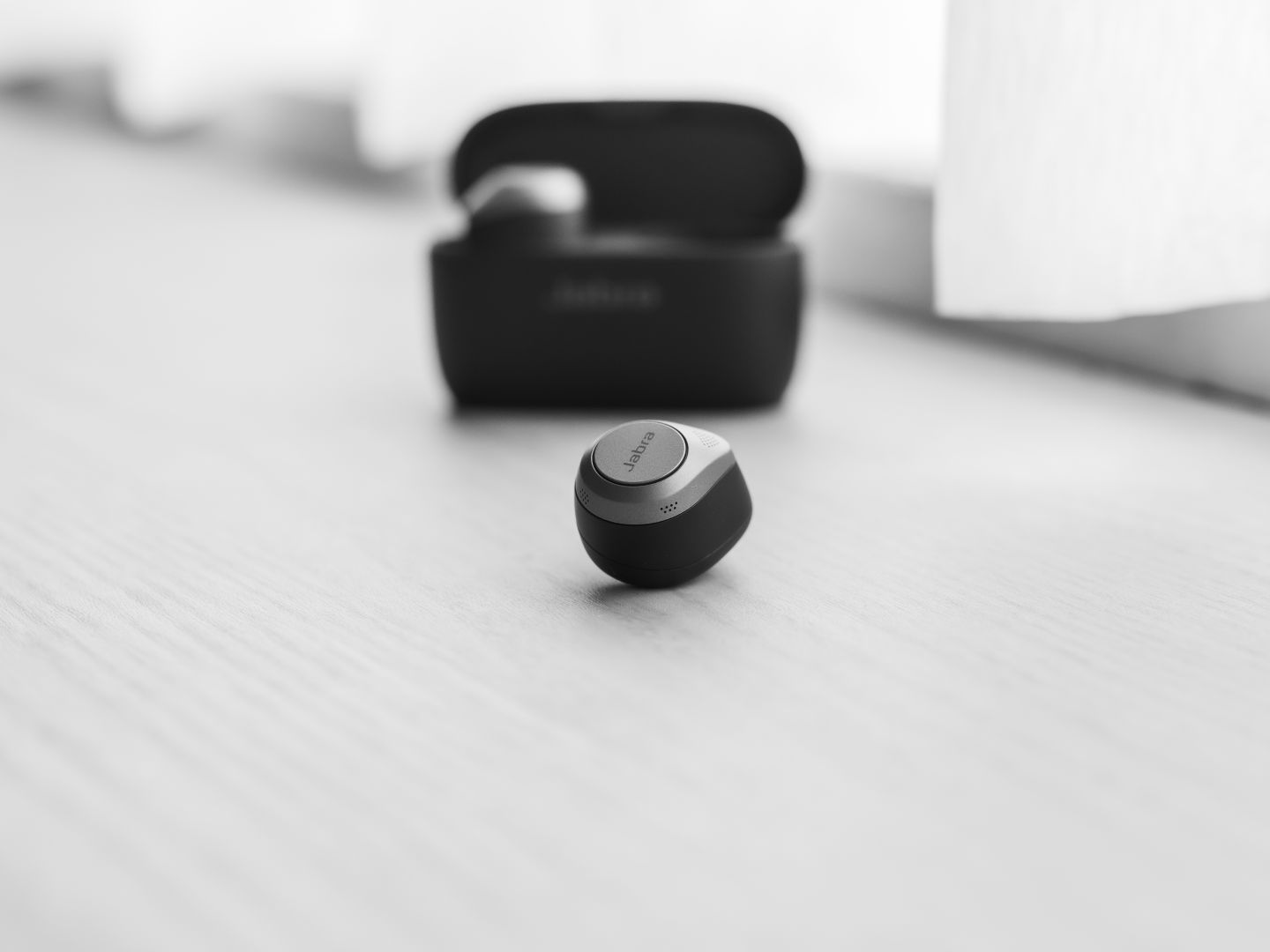
If you want maximum packability with real noise canceling, Sony's WF-1000XM6 is the most balanced earbud pick.

  1. With AAC or SBC: rated up to 8 hours with noise canceling active and up to 12 hours with noise canceling inactive
  2. With LDAC: up to 5 hours with noise canceling active
  3. Quick charging: about 1 hour of playback after 5 minutes of charging
  4. Shokz OpenRun Pro 2 is a bone-conduction option rated up to 12 hours, but it's not a noise-canceling solution
  5. Bone-conduction keeps your ears open—useful for parents or anyone who needs awareness
  6. The universal earbud problem: pressure and fatigue—fewer people enjoy them for a full day of connections

Open-Back Headphones on Planes

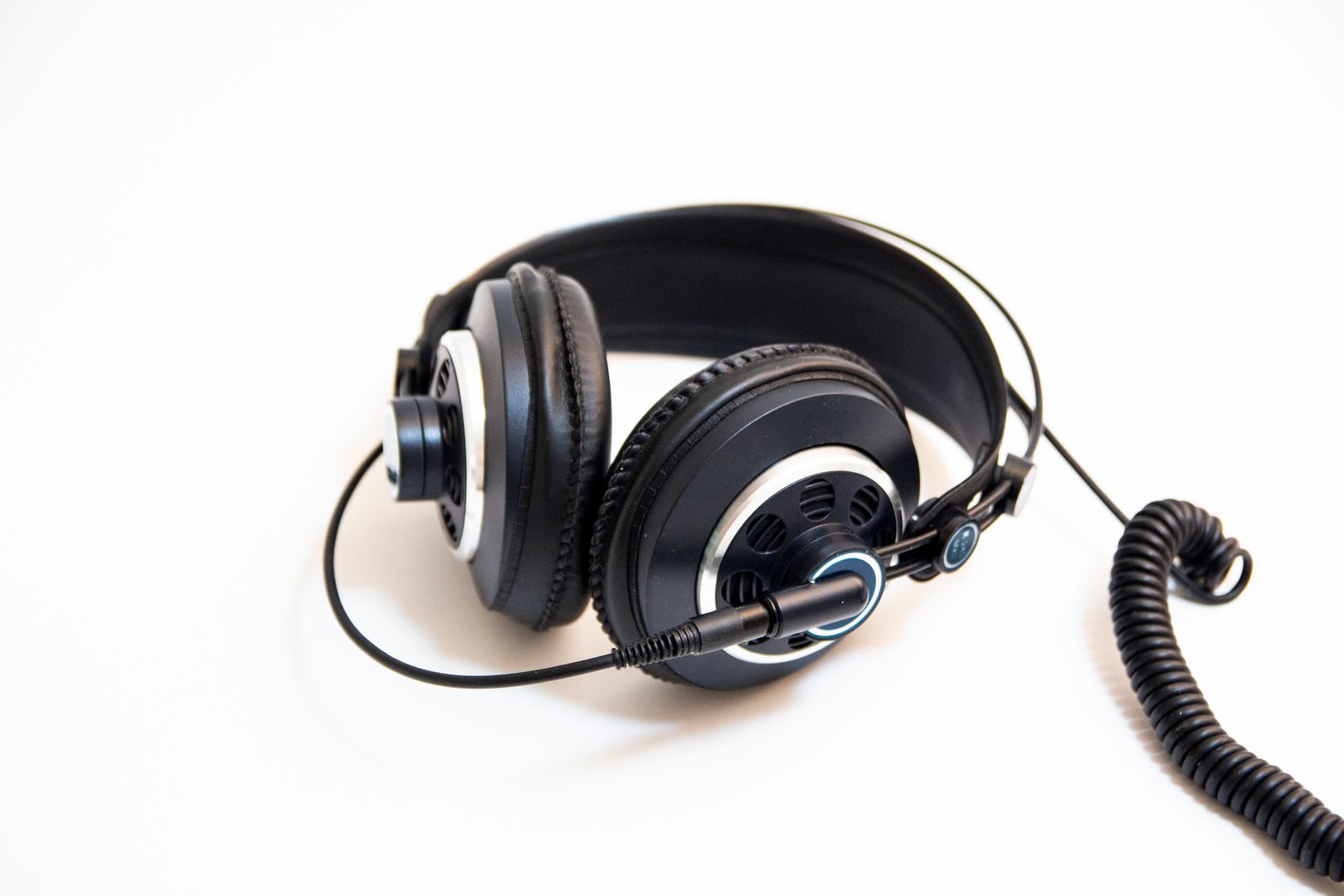
Some readers ask about headphones open back designs for flights because they've heard open-back can feel less pressurized. True—but it's the wrong environment. Open-back leaks sound both ways; you'll hear the cabin and the cabin will hear you.

Wrong Environment

If you're buying the best open backed headphones for hotel listening or home use, good open back headphones like the Sennheiser HD 560S, Beyerdynamic DT 900 Pro X, or HiFiMAN Sundara make sense. On a plane, they're a self-inflicted problem. Open-back designs leak sound outward and let ambient noise in, defeating the purpose of isolation.

Closed-Back for Travel

Closed-back headphones with active noise canceling are purpose-built for travel. They seal your ears from cabin noise and prevent your music from disturbing neighbors. The picks above—Sony WH-1000XM6, Bose QuietComfort Ultra, and Sennheiser MOMENTUM 5—all use closed-back designs with effective ANC tuning for low-frequency engine rumble.

Save your open-back cans for home. On flights, prioritize isolation over openness.

Battery Reality Check

Image

Battery ratings swing wildly with codecs and extra features. Sony lists up to 30 hours with AAC/SBC but only up to 26 hours with LDAC and ANC on. Bose drops from up to 30 hours to up to 23 hours when Immersive Audio is active. Know what you'll actually run before you board.

What to Check Before You Buy

ANC Tuning

Look for strong ANC tuned for low-frequency rumble, not just chatter. Engine noise is constant and fatiguing; effective ANC should make it disappear without creating pressure or hiss. Test with cabin-noise samples if possible, and read reviews that specifically mention low-end isolation performance on flights.

Comfort Over Time

Make sure clamp and pad shape work for 3+ hours without hotspots. Try them on in the store or order from a retailer with a good return policy. Pay attention to headband pressure, ear cup depth, and whether the pads breathe or trap heat. Long-haul comfort is not the same as a 20-minute demo.

Wired Fallback

Confirm you have a clean wired option for seatback systems. A 3.5mm cable should be included or available as an accessory. Verify the headphones work passively (no battery required) when wired. Some models require power even in wired mode, which can be a problem on long flights when the battery dies.

Real Traveler's Checklist

Look for strong ANC tuned for low-frequency rumble, not just chatter. Make sure clamp and pad shape work for 3+ hours without hotspots.

  • Strong ANC for low-frequency engine rumble

  • Comfortable clamp and pads for 3+ hour sessions

  • Real battery life with your codec and features active

  • Clean wired mode for seatback entertainment systems

  • Folding design and protective case for packed carry-ons

  • Controls that work with gloves or cold hands

Get these six right and you can tolerate almost any cabin environment.

Bose QuietComfort Ultra Headphones connected to USB-C cable
Bose QuietComfort Ultra Headphones with USB-C charging cable

Cabin Noise Control

Effective ANC for low-frequency engine rumble keeps fatigue low on long flights. Test for vacuum-sealed isolation.

Seat-Friendly Comfort

Lightweight design with breathable pads and adjustable clamp ensures you can wear them for hours without hotspots.

Battery Discipline

Know your real runtime with your codec and features active. Spatial modes and LDAC can cut battery by 25 percent.

Connectivity Sanity

A reliable wired mode for seatback systems and predictable Bluetooth pairing across devices mean fewer mid-flight headaches.

Disclosure This site may earn a commission from qualifying purchases, at no extra cost to you. We buy and test all reviewed headphones ourselves before publishing verdicts.