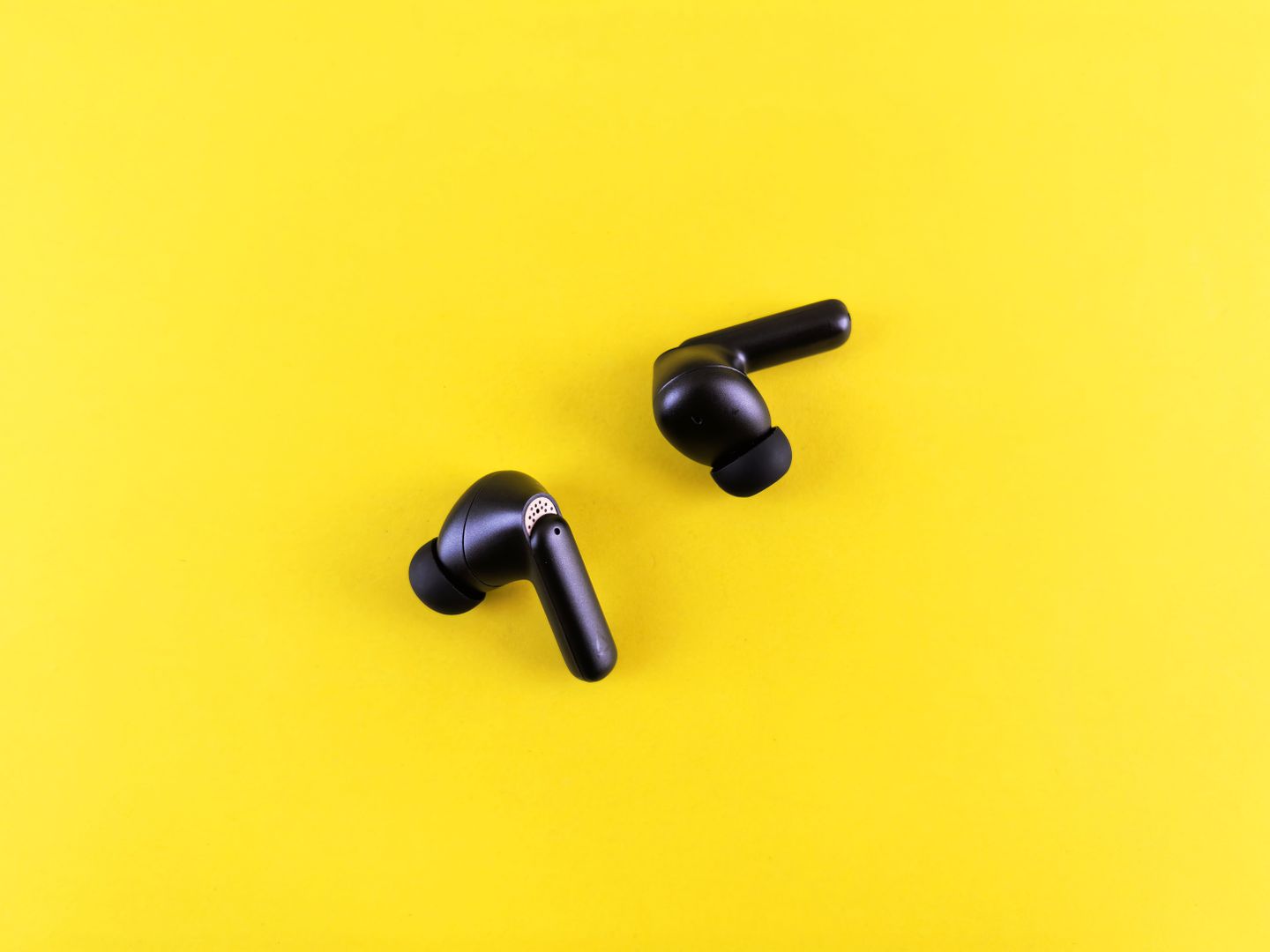
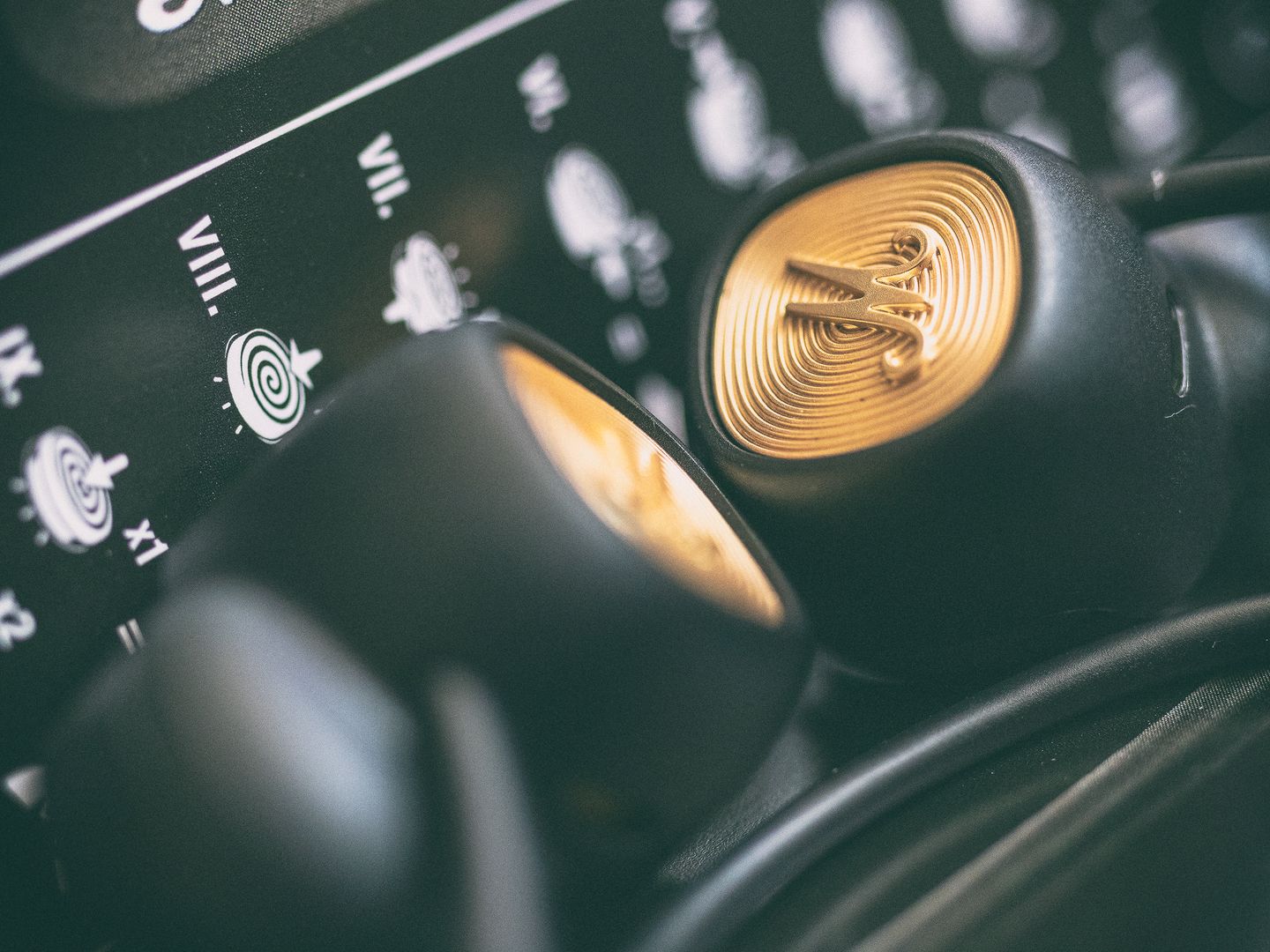
Comfort and isolation are the make-or-break factors for wired earbuds because you'll actually use them longer than a charged wireless set. The IE 200's small shells make it easier to seat securely, and its cable is the kind of braided lead you can live with. HEXA's shells are bulkier, but still manageable; the bigger win is its universal 0.78 mm 2-pin cable interface—when the cable fails (and all cables eventually fail), you replace it instead of the whole earphone.
Passive Isolation Champion
If you want something closer to a closed-back headphone experience on a train, Etymotic ER2XR is still the blunt instrument that works. Etymotic specifies 35 dB of isolation with silicone tips and 42 dB with foam tips, plus a 15 Ω impedance at 1 kHz. That's not a little quieter, that's the difference between tolerable and exhausting. The catch is fit: deep insertion isn't optional on Etymotics, it's the design. Some people love the locked-in seal; others last ten minutes.
Cable Design Matters
Cable design and connectors matter more than most people admit. IE 200 uses MMCX connectors and a 3.5 mm angled plug, with a 1.2 m cable length—great for laptops, handhelds, and USB-C dongles. ER2XR also uses MMCX and ships with a detachable 4 ft cable, plus user-replaceable filters—good engineering, not fluff. HEXA's 2-pin connector is less fussy than MMCX for some users, but it's also easier to bend pins if you're careless during swaps.
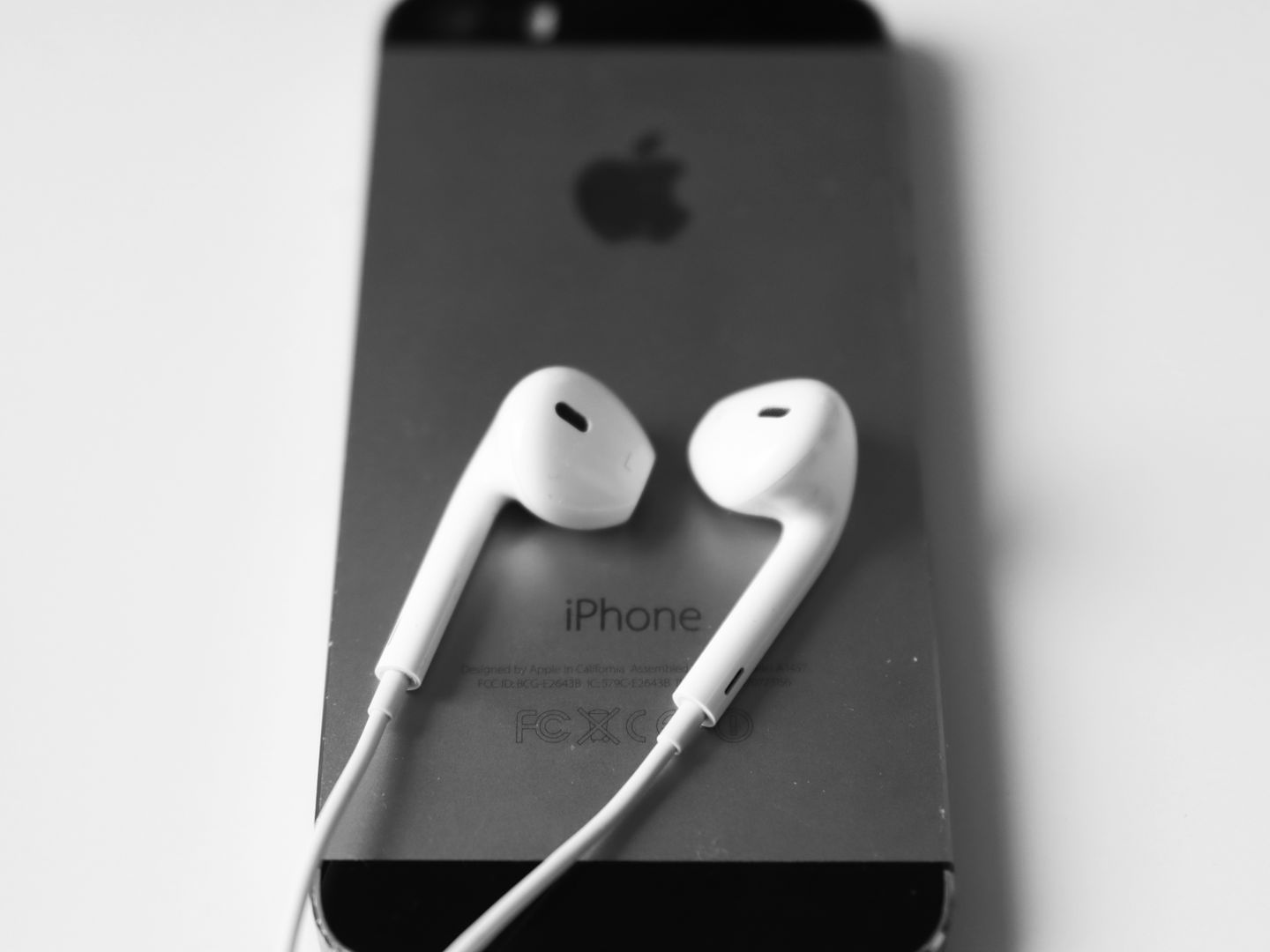
Microphone quality is the one area where most audiophile-leaning IEMs don't even pretend to compete. If your use case is meetings, lectures, or phone calls, Apple EarPods (USB-C) remains the low-cost, low-risk answer. They launched in 2023 and still sell for $19, and the inline controls/mic setup is as close to universally predictable as it gets.