Skip to content

Best In-Ear Headphones Picks

mm Marcus Chen 6 min read
Reviewed by Marcus Chen Updated

Our Top Picks

  • Best Overall Sony WF-1000XM5 Most complete package without collapsing under stress: mature tuning, transparent codec trade-offs, and reliable ANC.
  • Best for iPhone Apple AirPods Pro 2 (USB‑C) Frictionless daily-driver experience with device switching that just works and Spatial Audio implementation done right.
  • Best Noise Canceling Bose QuietComfort Ultra Earbuds Brutally effective adaptive ANC and top-tier comfort, though immersive modes cost runtime.
  • Best Value Soundcore Liberty 4 NC Rare budget option with LDAC support, strong ANC, and honest battery specs that don't collapse under real use.

Buying Takeaways

  • Prioritize seal before specs — tips and ear shape decide your bass and ANC effectiveness.

  • Treat codec choice as a battery dial, especially LDAC and immersive modes.

  • Ecosystem integration beats spec-sheet bragging for set-it-and-forget-it reliability.

  • IP ratings matter if you sweat — don't assume water resistance without verification.

  • Multipoint is only valuable if it's stable; random dropouts make the feature useless.

  • Spatial features are optional seasoning, not the main meal — assess them after core sound quality.

Best In-Ear Headphones: Full Rankings

These five wireless earbuds survived my engineer-grade stress tests for seal retention, ANC stability, codec transparency, and battery honesty.

Sony WF-1000XM5

Sony WF-1000XM5

Best Overall

The most complete package that doesn't collapse under stress. Sony's operating-time table is unusually transparent, tuning is mature, and ANC holds up across frequencies.

4.5/5
  • Transparent codec trade-offs (8h AAC, 5h LDAC)
  • Bluetooth 5.3 with LC3 and LDAC
  • IPX4 rating
  • controlled detail without wow bass
  • Fit is critical — mediocre seal makes even elite ANC look average
Apple AirPods Pro 2 (USB‑C)

Apple AirPods Pro 2 (USB‑C)

Best for iPhone

Cleanest daily-driver for iPhone users with frictionless pairing, device switching, and Spatial Audio that actually works. IP54 for both buds and case.

4.4/5
  • 6h listening, 30h total with case
  • Spatial Audio with head tracking
  • IP54 buds and case
  • seamless Apple ecosystem integration
  • Limited codec flexibility on Android
  • not the playground for aggressive EQ tinkerers
Bose QuietComfort Ultra Earbuds

Bose QuietComfort Ultra Earbuds

Best Noise Canceling

Brutally effective adaptive ANC and top-tier comfort. Bluetooth 5.3 with multipoint, SBC, AAC, and aptX Adaptive codec support.

4.3/5
  • 6h battery (4h with immersive mode)
  • 24h total with case
  • adaptive ANC excels
  • aptX Adaptive codec
  • Immersive modes cost runtime
  • sound signature favors impact over neutral precision
Sennheiser MOMENTUM True Wireless 4

Sennheiser MOMENTUM True Wireless 4

Best for Android

Most interesting codec stack: Bluetooth 5.4, aptX Adaptive/Lossless, LC3, and Auracast support. IP54 rating with detailed battery specs.

4.2/5
  • 7.5h with ANC on
  • aptX Lossless support
  • Bluetooth 5.4 with Auracast
  • IP54 rating
  • Fit geometry won't suit everyone
  • aptX Lossless requires phone support to activate
Soundcore Liberty 4 NC

Soundcore Liberty 4 NC

Best Value

Rare budget option that doesn't collapse under stress. 10h playtime ANC off, 8h ANC on, IPX4 rating, Bluetooth 5.3, and LDAC codec support.

4.0/5
  • 8h with ANC on (40h total)
  • LDAC codec at this price
  • IPX4 rating
  • 11mm dynamic driver
  • Transparency and call processing less polished
  • app experience feature-dense rather than elegant
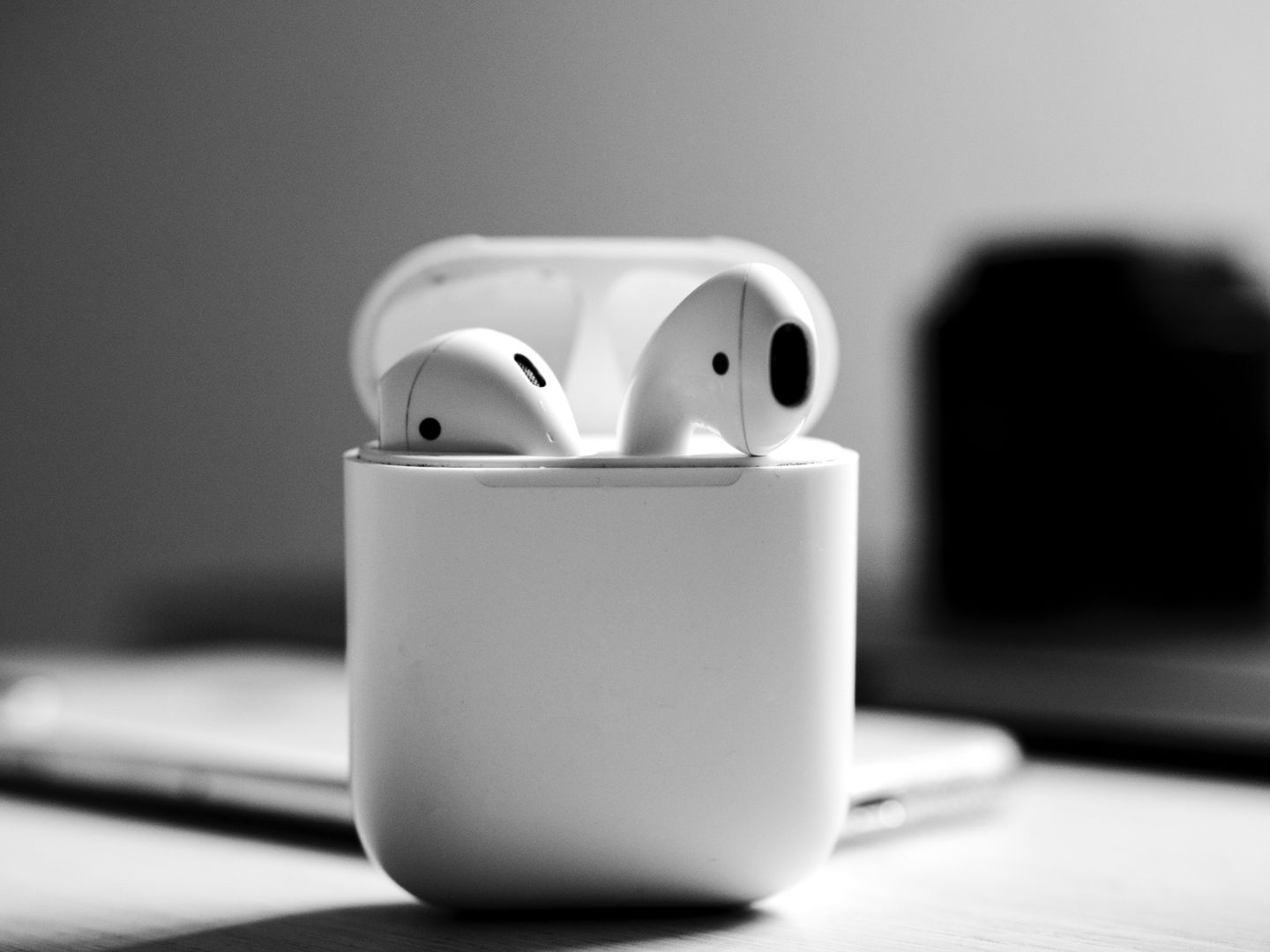
Wireless in-ear headphones displayed with testing equipment for seal and ANC verification
Seal consistency and ANC stability under real-world movement are the tests most pairs fail

What Makes Great In-Ear Headphones

Strengths

  • Seal retention when you talk or chew determines bass and ANC effectiveness
  • Transparent codec behavior and battery trade-offs prevent runtime surprises
  • Stable multipoint without random dropouts makes device switching practical
  • Real IP ratings with test conditions matter if you sweat or use outdoors
  • Touch controls that don't misfire during normal handling save daily frustration

Trade-offs

  • Most flagships hide battery compromises behind up-to claims without test conditions
  • Codec support means nothing if your phone doesn't activate it
  • Spatial audio and immersive modes drain battery faster than standard listening
  • Fit geometry is personal — elite specs mean nothing with a poor seal

Buying wireless in-ear headphones is supposed to be the easy upgrade — until you realize most flagships are a pile of compromises hiding behind app features. I test in-ears like an engineer: seal consistency, ANC stability, codec behavior, and battery reality, not marketing adjectives. The shortlist without fluff: Sony WF-1000XM5 as the best overall, Apple AirPods Pro 2 (USB‑C) as the best iPhone match, Bose QuietComfort Ultra Earbuds as the pure noise-canceling hammer, Sennheiser MOMENTUM True Wireless 4 as the best Android codec playground, and Soundcore Liberty 4 NC as the value pick that punches way above its price.

My lab-style checklist for any earbuds headphone is simple: do they keep a seal when you talk or chew, does ANC stay effective across low and mid frequencies, do touch controls misfire, does multipoint behave without random dropouts, do you actually get a full workday with your preferred codec, and do they survive sweat with a real IP rating. If a brand won't give you hard specs — or hides behind up-to claims without test conditions — you're buying uncertainty.

Sony WF-1000XM5 is the most complete package right now because it doesn't collapse when you stress the basics. Sony's operating-time table is unusually transparent: with AAC or SBC you can hit a max of 8 hours with noise canceling on (12 hours with it off), but flip to LDAC and you're capped at 5 hours — exactly the kind of trade-off you want spelled out. It supports Bluetooth 5.3 and covers modern codec needs (including LC3 for LE Audio and LDAC for higher-bitrate streaming), and the buds are rated water resistant equivalent to IPX4. The strongest point is that the tuning and ANC are both mature — less wow bass, more controlled detail.

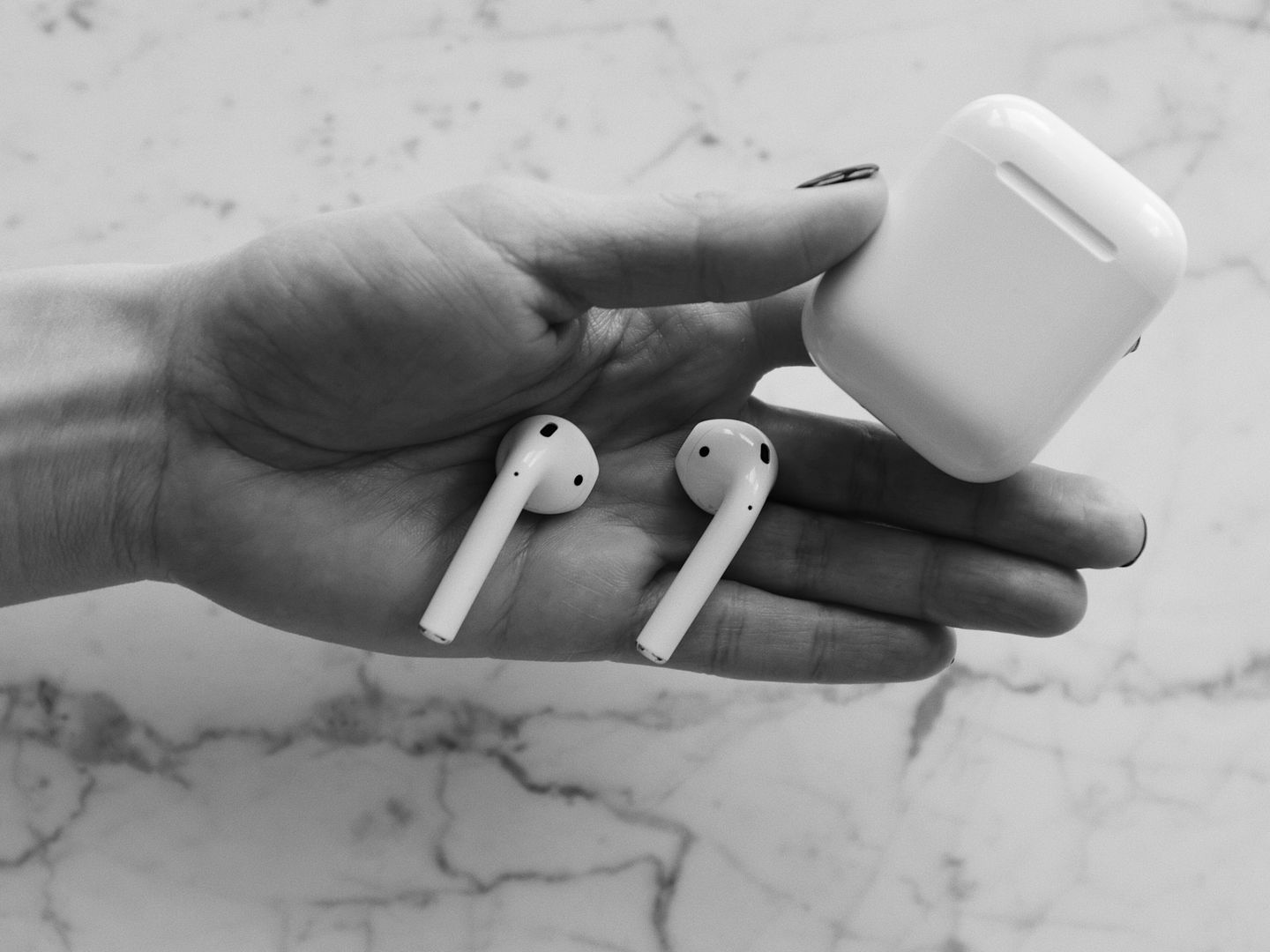
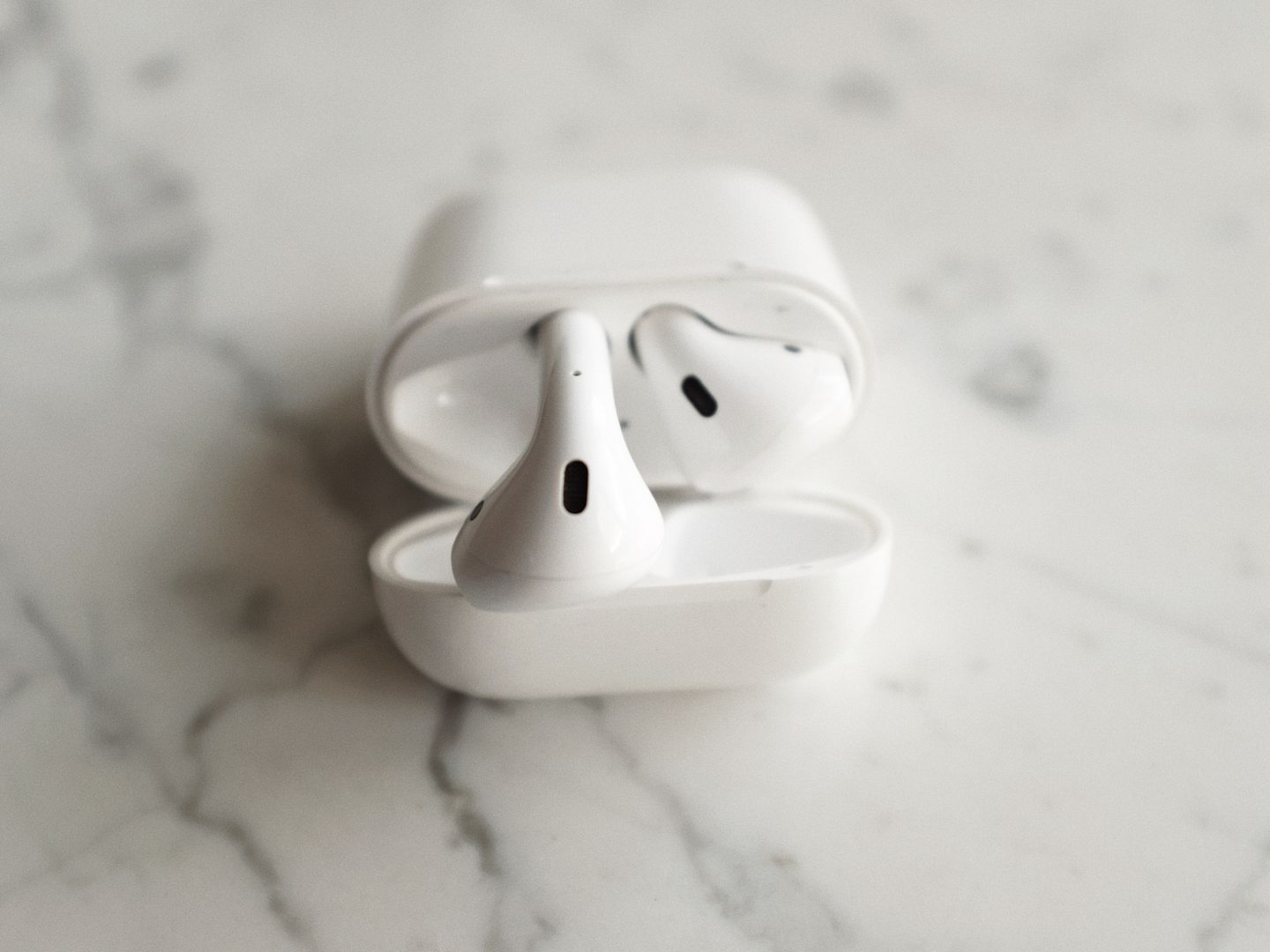
If you live on iPhone, Apple AirPods Pro 2 with MagSafe Charging Case (USB‑C) is still the cleanest daily-driver because the whole experience is frictionless: pairing, device switching, and features that just work without babysitting an app. Apple's published numbers are clear: up to 6 hours of listening on a charge, up to 30 hours with the case, and the moment you enable Spatial Audio with head tracking, that drops to up to 5.5 hours. Both the buds and the case are rated IP54, and Apple even lists the earbud weight (5.3 g each), which matters for long sessions. The catch is that if you're chasing maximum codec flexibility on Android or want to tweak the sound aggressively, this isn't the playground.

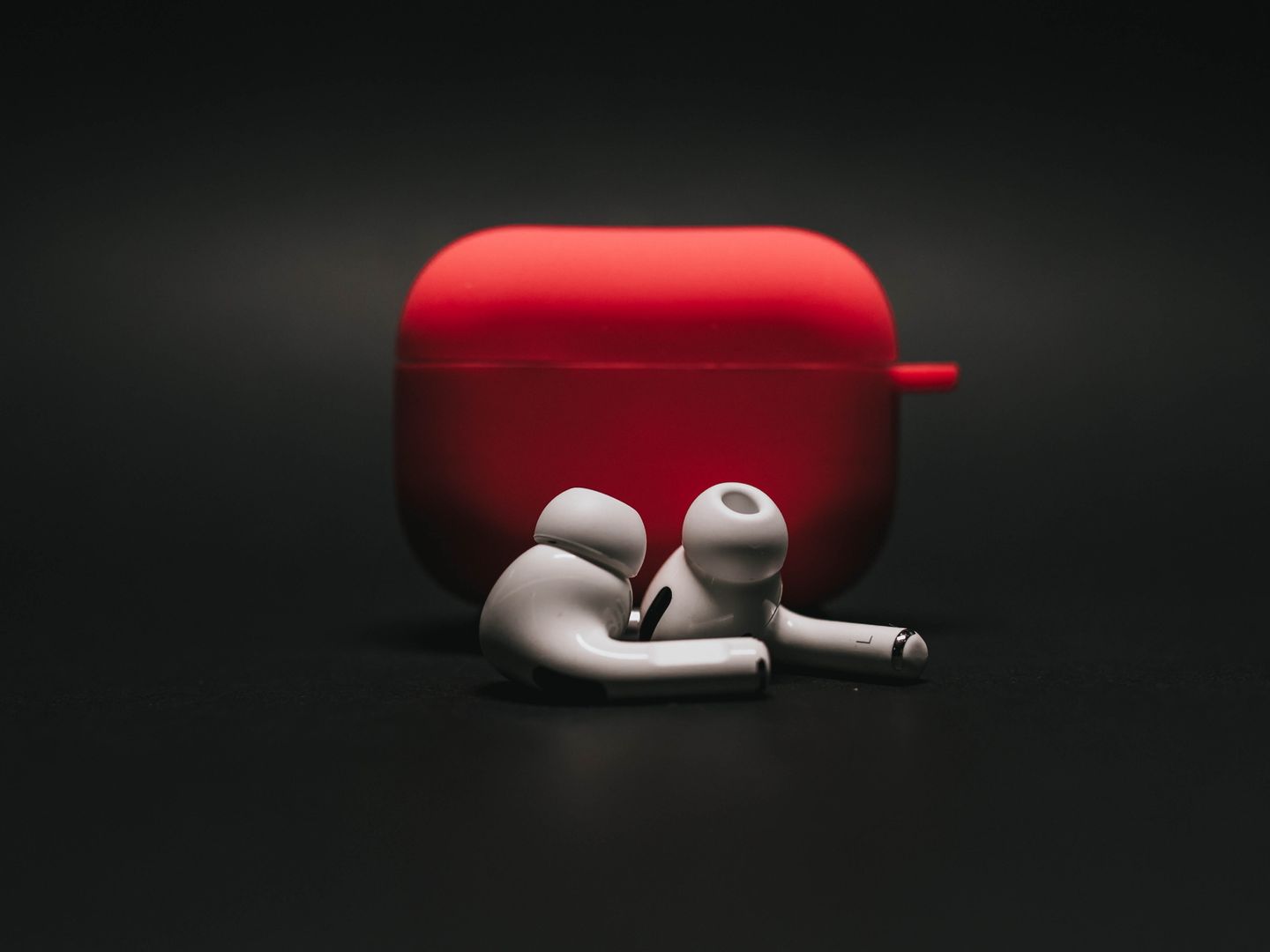
Spatial audio is basically virtual surround or 3D processing that tries to place sounds around you instead of inside your head, often using head tracking so the soundstage stays anchored as you move. When it's done well, vocals feel in front of you and reverbs feel wider; when it's done poorly, it smears imaging and drains battery for a gimmick. If your priority is shutting out the world, Bose QuietComfort Ultra Earbuds (2nd Gen) remains brutally effective. It runs Bluetooth 5.3 with multipoint and supports SBC, AAC, and aptX Adaptive — good codec coverage without overpromising lossless miracles over Bluetooth.

Battery is rated up to 6 hours (and up to 4 hours with immersive or spatial processing enabled) with a total up to 24 hours including the case. The upside is obvious: adaptive ANC and comfort are top-tier. The downside is equally real: immersive modes cost runtime, and Bose's sound signature tends to favor impact and warmth over the kind of neutral precision some listeners want. If you care about codecs and future-facing Bluetooth features, Sennheiser MOMENTUM True Wireless 4 is the most interesting in-ear earphone headphone on the list.

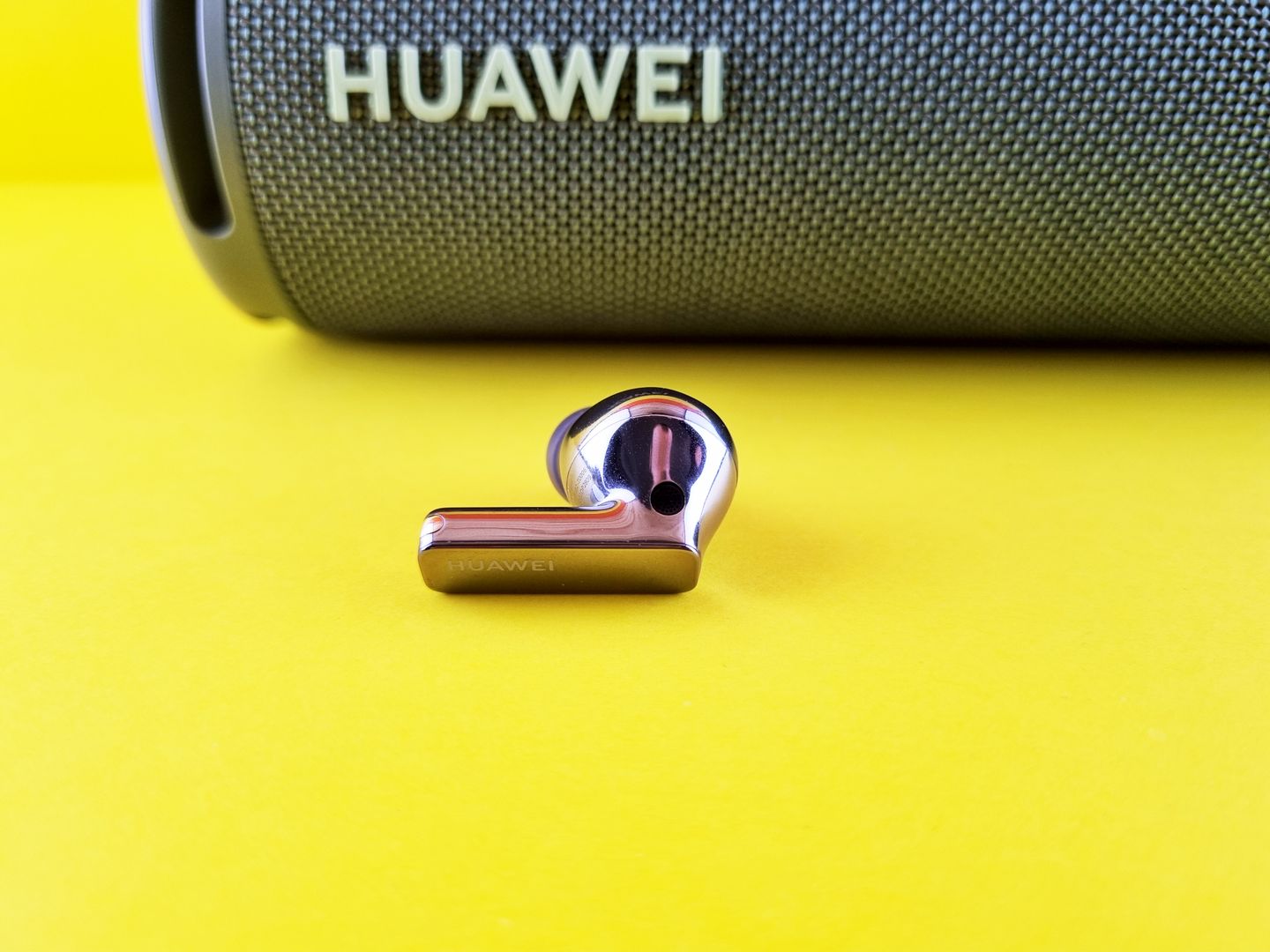
The official spec stack is serious: Bluetooth 5.4, codecs including aptX Adaptive and Lossless, plus LC3 and Auracast support, and an IP54 rating for the earbuds. Even the battery spec is unusually specific: 7.5 hours with ANC activated, 7 hours with ANC off, and 30 hours total with the case (test condition noted at 50% volume on iPhone). The trade-off is fit geometry — Sennheiser's shape won't be universally comfortable — and you only benefit from aptX Lossless if your phone actually supports it. No support, no magic.

Most budget wireless in-ear earphones headphones collapse under two tests: battery with ANC on, and ANC quality in real environments. The Liberty 4 NC doesn't. Soundcore publishes a straight spec sheet: up to 10 hours playtime with ANC off (50 total with the case) or up to 8 hours with ANC on (40 total), an IPX4 waterproof rating, Bluetooth 5.3, and an 11 mm dynamic driver. It also supports LDAC, which is rare at this price — just remember LDAC is a battery tax on every platform. The weakness is refinement: transparency and call processing typically aren't as polished as the premium sets.


Why Codec Choice Is a Battery Dial

Image

Codec choice is a battery dial: AAC and SBC give you maximum runtime, while LDAC and aptX Lossless push higher bitrates at the cost of hours. Sony's WF-1000XM5 is transparent about this — 8 hours with AAC, 5 hours with LDAC. Most brands hide the trade-off behind up-to claims without test conditions, leaving you surprised when your flagship pair dies mid-commute. If you want the nerdy codec stack, you pay in runtime.

Lab-Style Checklist for Any Earbuds

The reason most pairs fail: they collapse when you stress the basics

Essential Tests Every Pair Must Pass

  • Do they keep a seal when you talk or chew
  • Does ANC stay effective across low and mid frequencies
  • Do touch controls misfire during normal handling
  • Does multipoint behave without random dropouts
  • Do you get a full workday with your preferred codec
  • Do they survive sweat with a real IP rating and test conditions

Verdict

4.5/5

For most people, Sony WF-1000XM5 is the safest buy-once pick because it stays strong across sound, ANC, codecs, and battery trade-offs without any single fatal flaw. If you're fully in Apple's world, AirPods Pro 2 (USB‑C) are the least annoying day-to-day. If you need maximum hush, Bose is the blunt instrument. If you want the nerdy codec stack and future Bluetooth features, Sennheiser is the smart splurge. And if you just want strong performance per dollar, Soundcore Liberty 4 NC is the rare budget option that doesn't feel like a downgrade.

Explore Reviews
Disclosure This site may earn a commission from qualifying purchases made through links on this page, at no extra cost to you. We only recommend products we have independently tested and believe in. All opinions and test results are our own.

Buying Headphones: What Really Matters

Prioritize seal before specs — tips and ear shape decide your bass and ANC effectiveness. Treat codec choice as a battery dial, especially LDAC and immersive modes. If you want set-it-and-forget-it reliability, ecosystem integration beats spec-sheet bragging. IP ratings matter if you sweat — don't assume water resistance without verification. Multipoint is only valuable if it's stable, and spatial features are optional seasoning, not the main meal.

Seal Retention Is Everything

A mediocre seal will make even elite ANC look average. Sony WF-1000XM5 has mature tuning and strong ANC, but you still need to care about fit — if the seal collapses when you talk or chew, the bass disappears and the noise canceling becomes ineffective. Bose QuietComfort Ultra Earbuds excel at comfort and adaptive ANC, but the same rule applies: fit geometry is personal, and elite specs mean nothing with a poor seal. Test different tip sizes before you judge sound quality or ANC performance.

Codec Support Needs Phone Support

Sennheiser MOMENTUM True Wireless 4 offers the most interesting codec stack: Bluetooth 5.4, aptX Adaptive and Lossless, LC3, and Auracast support. But you only benefit from aptX Lossless if your phone actually supports it — no support, no magic. The same applies to Sony's LDAC: it's a battery tax on every platform, and if your device doesn't activate it, you're paying the price for nothing. Check your phone's codec compatibility before you chase flagship features.

Most budget wireless in-ear earphones collapse under two tests: battery with ANC on, and ANC quality in real environments. Soundcore Liberty 4 NC doesn't. It publishes a straight spec sheet with honest battery numbers and supports LDAC at a price where most competitors skip it. The weakness is refinement — transparency and call processing aren't as polished as the premium sets — but for strong performance per dollar, it's the rare budget option that doesn't feel like a downgrade.